Water Timer Causing Water Hammer? Safe Checks for Banging Pipes
Short answer: A bang that happens as a water timer shuts off may be water hammer, but the timing alone does not prove that the timer is faulty. Stop repeated tests if the noise is severe, a pipe moves, or a joint leaks. Record exactly when the sound occurs, check only visible pipe support and connections, and ask a qualified plumber to investigate persistent banging or pressure-related symptoms.
A water timer changes flow quickly because it opens and closes a valve. That can reveal a weakness elsewhere in the plumbing, but it can also be mistaken for a loose hose, a moving pipe or a faulty outside tap. The useful response is therefore a controlled diagnosis, not an immediate product swap. Work from the event, location and severity of the noise, while keeping the household plumbing and sealed timer body outside the scope of DIY adjustment.
What water hammer sounds like
Water hammer is commonly described as a knock, thud or bang associated with a sudden change in water flow. WaterSafe's guidance on banging pipes says sudden pressure changes can stress pipework, joints and fixings. It also identifies several possible contributors, including loose pipework and high pressure, and advises qualified help when the noise persists or worsens.
The key phrase is “possible contributors”. A sound at the moment a timer closes does not reveal the pressure, the condition of hidden pipework or the internal speed of the valve. It tells you when to observe. A single click within the timer is different from a heavy knock transmitted through a wall, floor or supply pipe.
| Observation | What it may indicate | Safe next check |
|---|---|---|
| One click at the timer only | Normal valve actuation may be audible | Confirm that flow starts and stops without pipe movement or leakage |
| Bang inside the house when flow stops | A pressure shock or moving pipework is possible | Stop repeated cycling and note the location for a plumber |
| Rattle at the wall-mounted tap | The tap, fixing or exposed pipe may be moving | Turn off the water and inspect visually without tightening hidden fittings |
| Noise plus a fresh leak | A joint, hose or fitting may have been stressed | Isolate water promptly and arrange repair |
| Bang occurs with other appliances too | The issue may be wider than the garden timer | Give the full pattern to a qualified plumber |
Start with a low-risk observation test
- Describe the event before changing anything. Write down whether the bang happens when watering starts, while it runs, or exactly when it stops. Note whether it occurs on one programme or every shut-off.
- Locate the sound from a safe position. Listen near the outside tap and from inside the nearest room. Do not remove wall panels, lift floors or handle pipework while water is flowing.
- Check visible movement. With the water off, look for an exposed pipe or tap that has shifted, a loose wall plate, a distorted hose or a wet joint. Do not use a timer to keep cycling the system while someone holds a moving pipe.
- Compare the wider pattern. Ask whether a washing machine, dishwasher or another fast-closing outlet also produces a bang. This is information for diagnosis, not an instruction to test every appliance repeatedly.
- Stop at the competence boundary. Measuring or changing household pressure, adding pipework devices and altering valves require the right equipment and an understanding of the system. Persistent symptoms belong with a qualified plumber.
If the bang is violent, becomes more frequent or is accompanied by leakage, the safe choice is to turn the outside tap off and leave the timer unused until the cause has been assessed.
Why replacing the timer first can waste time
A new timer may close differently, but there is no basis for promising that a replacement will cure water hammer. If loose pipes, high pressure or another valve is involved, the symptom can remain. Conversely, if the noise is a light local click and the pipework is stable, replacing equipment may solve nothing because there is no plumbing hammer to cure.
Use the live irrigation troubleshooting guide to separate weak flow, leaks and controller-connection problems from a pressure shock. If the layout itself is being reconsidered, the UK irrigation system selection guide helps organise watering jobs before hardware is chosen. Neither guide replaces a plumbing assessment when the noise is transmitted through household pipework.
Information that helps a plumber diagnose the problem
- The time and exact watering event associated with the bang.
- Whether it happens when the valve opens, closes or both.
- Whether one or both downstream watering lines were in use.
- Whether other household appliances produce a similar noise.
- The location of visible pipe movement, if any.
- Photos of accessible connections and any fresh leak, taken with the water safely isolated.
- The timer model and its instructions, without opening the timer body.
This record is more useful than a guess about “too much pressure”. Water Regs UK notes that a quiet-period pressure reading does not capture transient or surge pressures such as water hammer. A professional may need to assess working conditions and the system response, not just a single number.
What not to do
Do not partly close the outside tap and assume the problem is solved; that changes the observation but does not establish a safe operating condition. Do not fit a pressure-reducing valve, hammer arrestor or other component solely from an online symptom description. Do not loosen clips, adjust household controls or dismantle the timer under pressure. Finally, do not leave a banging system operating unattended while waiting to see whether it settles down.
Any proposed remedy should follow diagnosis. A plumber can determine whether pipe support, pressure, a valve or another part of the installation needs attention. Product support can address documented behaviour of the timer, but it cannot inspect the property's plumbing.
FAQ
Can a garden water timer cause water hammer?
Its closing event can coincide with a pressure shock, but that does not prove the timer is defective or the only cause. The pipework, pressure conditions and other valves need to be considered.
Is one click from the timer normal?
A valve may make an audible actuation sound. The concern is a substantial bang, vibration or pipe movement, especially when it is transmitted into the building or accompanied by a leak. Use the product manual and support route for device-specific sounds.
Will a pressure regulator definitely stop the banging?
No such promise can be made without diagnosis. High pressure can contribute to banging, but a regulator must be selected and installed for measured conditions. Loose pipework or another fault may require a different remedy.
Can I keep using the timer if the bang is small?
A mild sound still deserves observation. If it repeats, worsens, moves pipework or creates leakage, stop using the timer and obtain qualified advice. Do not leave a questionable system operating unattended.
Should I open the timer to clean or slow its valve?
No. Keep sealed components closed and follow only the maintenance steps in the manufacturer's documentation. Opening a pressurised or sealed valve can create damage and may remove useful evidence for support.
Conclusion: diagnose the system, not just the last device fitted
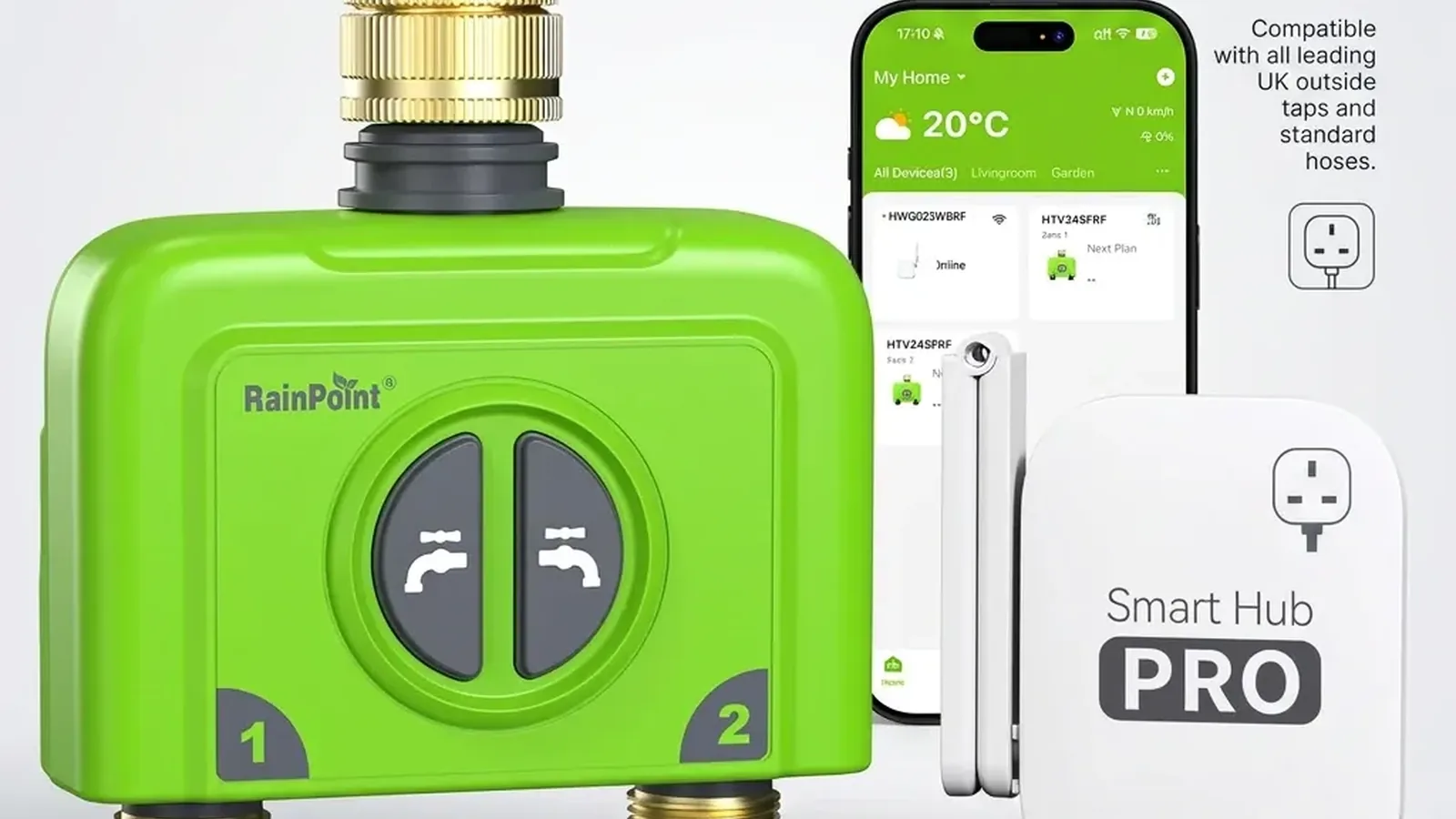
A water timer can make the moment of a pressure shock easy to identify, but the correct fix depends on the whole installation. Record the shut-off event, isolate leaks, avoid repeated cycling and use a qualified plumber for persistent banging. Once the plumbing is known to be suitable, readers comparing ways to control two garden watering lines can view the dual-valve smart irrigation controller. It is a category-level option, not a claimed cure for water hammer, and its installation requirements still need independent checking.
Sources and further reading
- watersafe.org.uk: Possible causes, pipework stress and qualified-plumber escalation for banging pipes
- waterregsuk.co.uk: A static pressure reading does not capture transient surge pressure such as water hammer