Drip Irrigation Pressure Regulators in the UK: What to Check
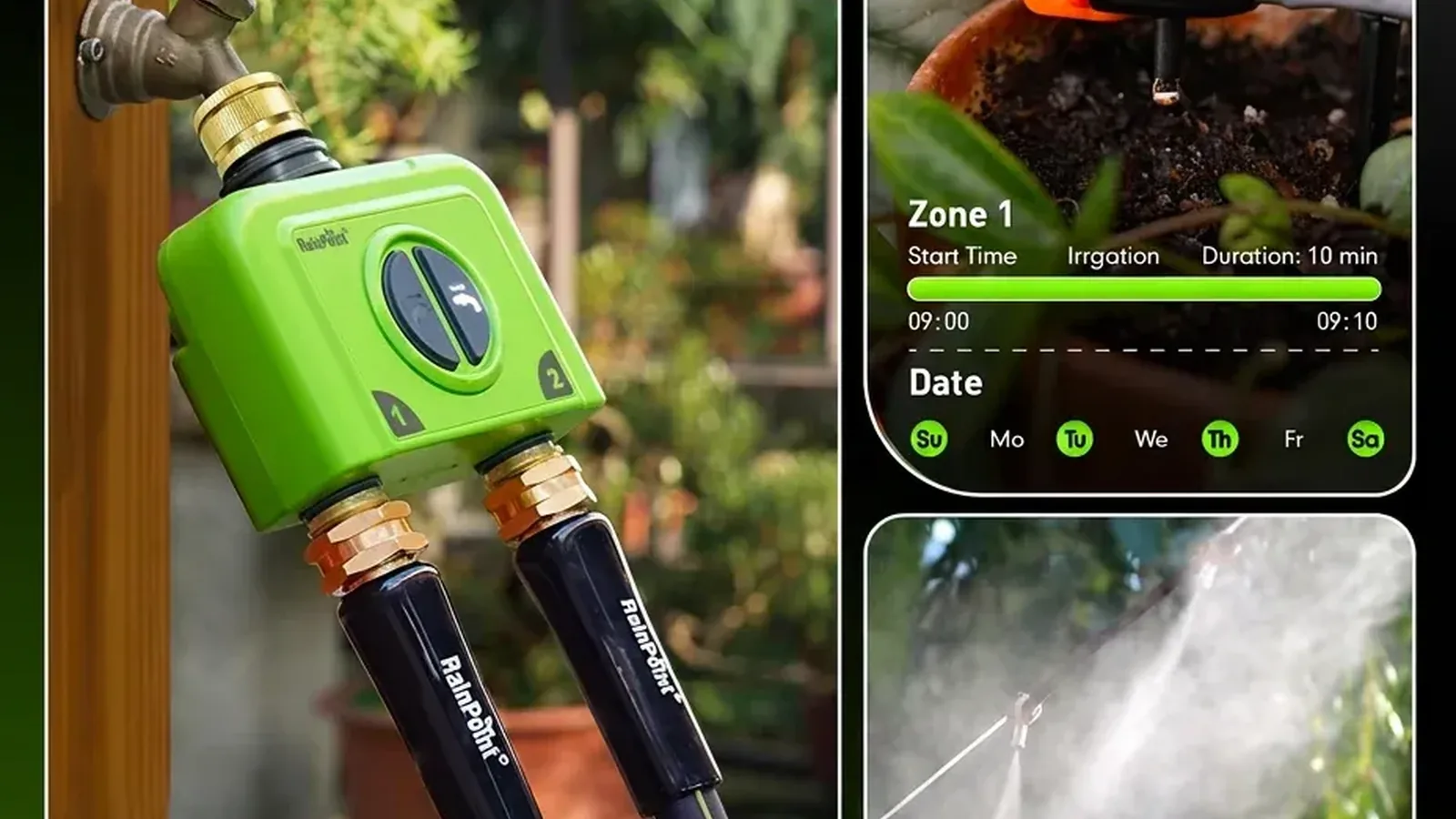
Short answer: Choose a drip irrigation pressure regulator only after you know the water supply conditions and the permitted pressure and flow range of the downstream drip components. A regulator is designed to control downstream pressure within stated conditions; it is not a timer, filter, backflow device or guarantee of even watering. Match documented specifications, follow the component makers' installation order, and do not assume that a regulator is included with a garden controller.
This measurement-first approach matters in UK gardens because an outside tap, timer, filter, hose and drip line all add their own limits. The label “low pressure” is not enough, and neither is a strong-looking jet from the tap. A useful buying decision comes from four pieces of information: supply pressure while water is flowing, available flow, the drip equipment's stated limits, and the connection instructions for every component in the line.
What a pressure regulator does
An irrigation pressure regulator is intended to reduce or regulate pressure downstream when it is installed in the correct direction and operated within its documented flow and inlet conditions. Drip emitters and small fittings can be sensitive to conditions outside their specified range. The regulator's job is therefore narrower than “make the system work”: it addresses pressure at a particular point in a properly planned layout.
Pressure and flow are related, but they are not the same measurement. Pressure describes the force available in the water system; flow describes the volume delivered over time, commonly recorded in litres per minute or litres per hour. A regulator cannot create water that the supply does not deliver. A low-flow problem caused by a closed tap, blocked filter, kinked line or excessive demand will not necessarily be cured by changing pressure components.
| Component | Primary purpose | Evidence to check |
|---|---|---|
| Backflow protection | Helps protect the drinking-water supply from reverse flow | Property plumbing assessment and applicable product evidence |
| Water timer or controller | Opens and closes watering according to a schedule | Documented outlet, installation and operating requirements |
| Filter | Captures specified debris before downstream parts | Mesh or filtration rating, flow direction and service method |
| Pressure regulator | Controls downstream pressure within rated conditions | Inlet range, regulated output, flow range and orientation |
| Flow-control valve | Restricts volume passing through a section | Adjustment range and effect under working conditions |
| Drip line and emitters | Deliver water near the intended root zone | Permitted pressure, rated output and layout limits |
Collect the measurements before shopping
- Measure available flow. Use a timed-container test at the outside tap and record litres per minute. Repeat it rather than relying on one hurried fill.
- Establish working pressure appropriately. Pressure while water is flowing is more useful for irrigation planning than a single static reading. If you are not competent to connect and interpret a gauge, ask a plumber or irrigation professional.
- Add up downstream demand. Use the documented output of the emitters at their stated conditions. Use confirmed details a dripper count from the controller's number of outlets.
- Read the regulator data sheet. Check inlet conditions, regulated output, flow range, direction arrow, permitted orientation and installation notes.
- Read every adjacent component's instructions. A filter, timer or backflow device may have its own limits and may affect the required order.
The live UK drip irrigation kit guide explains the wider kit decisions. Use it to map tubing, emitters and garden jobs, then use measured pressure and flow to assess whether the planned components can work together.
Where should the regulator be fitted?
There is no universal order that can safely override manufacturers' instructions. A conceptual tap-fed arrangement may include backflow protection, a timer, filtration, pressure regulation and then the irrigation line, but the exact position depends on the regulator design, the timer's permitted conditions and the rest of the system. Some regulators are intended to operate only when water is flowing; some filters need a particular position for servicing. Follow the documented sequence rather than copying a photograph of a different kit.
Keep parts accessible. You should be able to read the direction marking, inspect for leaks, service an accessible filter as documented and isolate the water without dismantling the layout under pressure. Support heavy assemblies so they do not lever against the outside tap.
How to compare regulators without guessing compatibility
| Question | Why it matters | Reject or pause when |
|---|---|---|
| What downstream pressure is specified? | It must align with the drip equipment's permitted range | The value is absent or expressed only as vague marketing |
| What flow range is required? | Regulation may depend on sufficient flow through the device | Your measured demand sits outside the documented range |
| What is the connection standard? | Threads and adaptors must match without being forced | The seller does not identify the standard clearly |
| Where can it be installed? | Orientation and component order can affect operation | The instructions conflict with your planned layout |
| How is performance checked? | A downstream reading under flow provides evidence | There is no practical way to verify the result |
Fixed-output and adjustable regulators are not automatically “simple” and “better”. A fixed device can be appropriate when its documented output matches a known system. An adjustable device still requires measurement; the adjustment scale is not a substitute for a gauge or the downstream component limits.
Commission the layout one step at a time
- Confirm the outside tap and backflow protection are suitable before attaching irrigation equipment.
- With water isolated, fit components in the documented direction and order.
- Restore water gradually and inspect every accessible joint.
- Measure downstream conditions while the intended zone is flowing.
- Observe the farthest and nearest emitters rather than assuming equal output.
- Change one variable at a time and record the result.
- Stop if a fitting distorts, a connection leaks, the tap moves or pipework bangs.
For a broader decision path, see how to choose a garden irrigation system in the UK. That article helps decide whether drip irrigation is the right method before pressure-control parts are purchased.
Pressure regulators and temporary water-use restrictions
A regulator is a technical component, not a nationwide permission to use a hose. Temporary Use Ban wording can vary by supplier and date. Some water-company pages may refer to conditions involving timers, pressure-reducing valves or direct-to-soil delivery, while another notice may treat automatic irrigation attachments differently. Check the current notice from the supplier serving the property immediately before use. Do not rely on an old article, a retailer statement or a neighbour's exemption.
This distinction prevents two common errors: buying a regulator solely because it appears in one restriction page, and assuming that the resulting system is lawful everywhere. The first is a product-planning decision; the second is a current local rules question.
FAQ
Does every drip irrigation system need a pressure regulator?
Not automatically. The answer depends on measured supply conditions and the stated limits of the drip components. If the available pressure is already within the permitted range, the relevant instructions determine whether regulation is needed.
Will a regulator increase low flow?
No regulator should be presented as a flow booster. It cannot create supply volume. Diagnose a low-flow problem by measuring the tap, checking demand and inspecting documented filters, valves and lines before changing parts.
Is a pressure regulator also a backflow preventer?
No. They address different risks. Backflow protection belongs to drinking-water safety; pressure regulation belongs to downstream operating conditions. Verify both independently.
Can I choose a regulator from pipe size alone?
Pipe or connector size is only one detail. You also need the pressure range, flow range, orientation, thread standard and downstream equipment limits. A physically attachable part is not necessarily an appropriate one.
Does the controller on this site include a regulator?
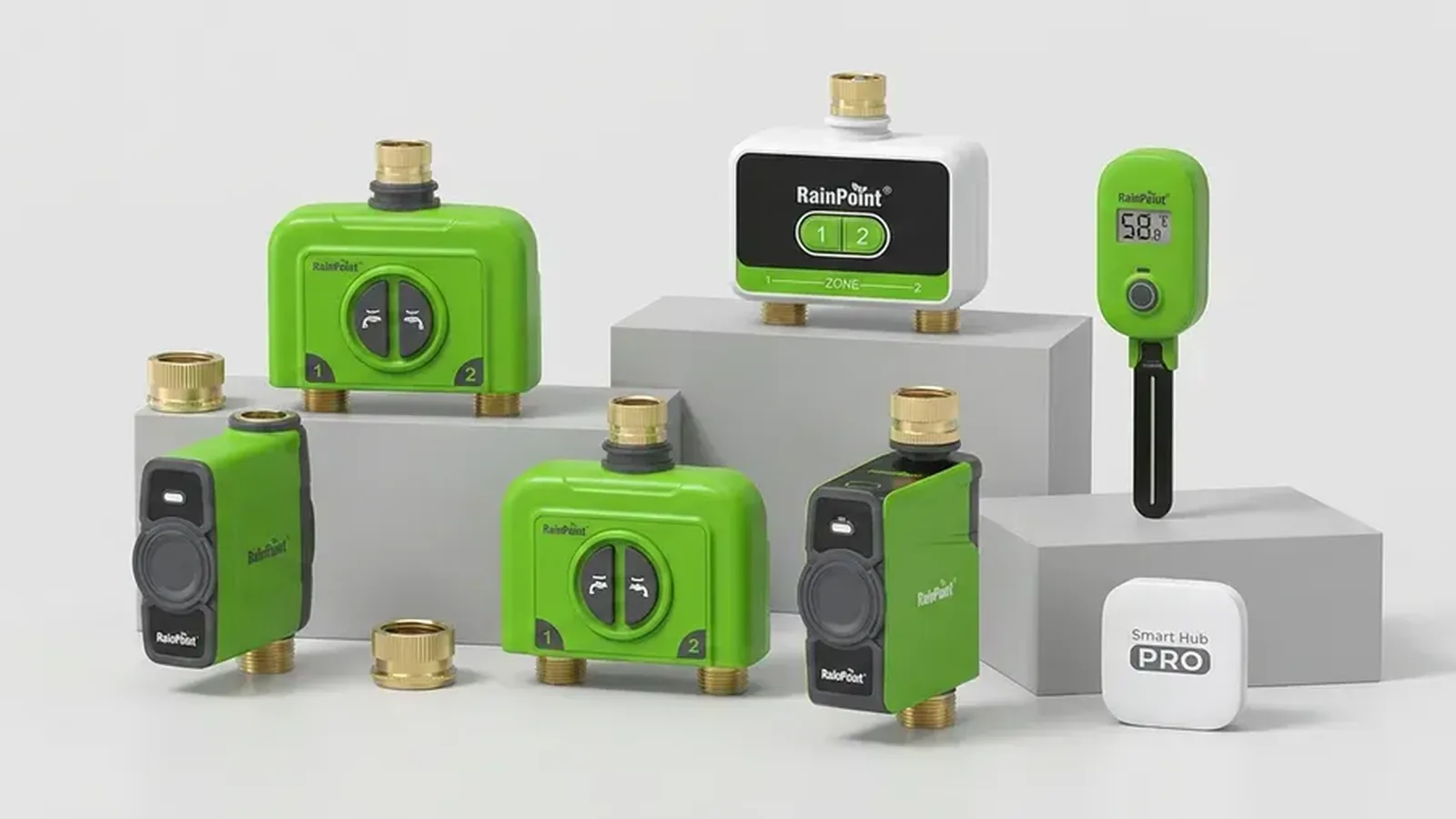
No included-regulator claim is supported. The product can be described only at category level as a dual-valve, two-outlet smart irrigation controller. Treat pressure regulation, filtration, backflow protection and connector fit as separate checks.
Conclusion: select from measurements, not assumptions
A useful UK pressure-regulator decision starts with measured flow and working conditions, then works through the documented limits of the regulator, timer and drip equipment. Keep legal restrictions separate, avoid forced adaptors and verify performance under flow. If the planned garden genuinely benefits from two controlled outlets, you can view the dual-valve smart irrigation controller after the pressure and connection questions have been resolved. The page is a controller next step, not evidence that a regulator or other accessory is included.
Sources and further reading
- thameswater.co.uk: Current supplier-specific legal wording that expressly covers dripper hoses and automatic irrigation attachments
- rhs.org.uk: UK horticultural guidance on targeted watering according to plant, soil and weather
- waterregsuk.co.uk: Pressure-measurement limitations and transient pressure context