Outside Tap Double-Check Valves and Water Timers: A UK Safety Checklist
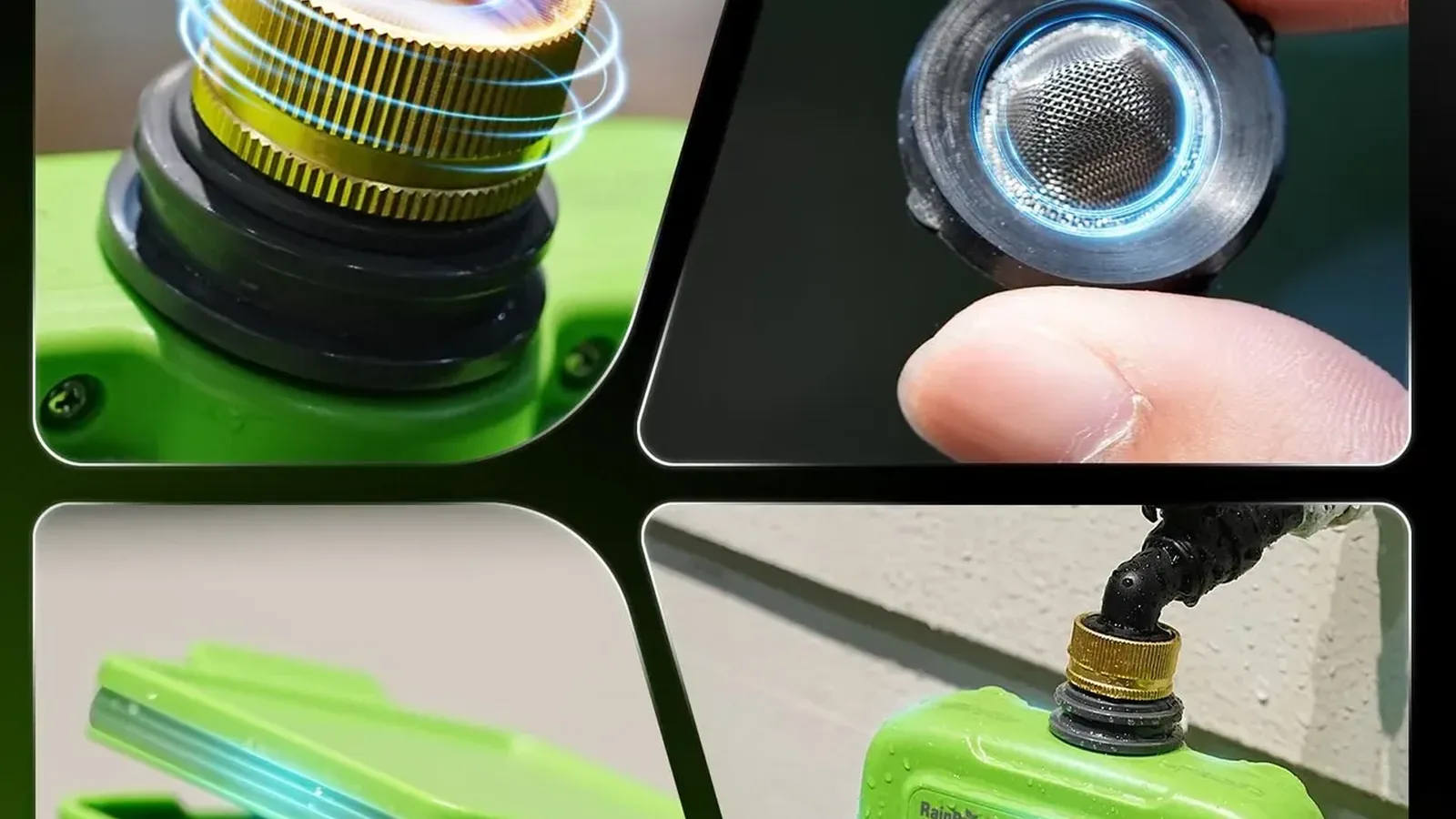
Short answer: Before fitting a water timer to a UK outside tap, confirm that the tap has suitable, working backflow protection. A timer controls when water passes to the garden; it should not be treated as a double-check valve and does not prove that the plumbing arrangement is compliant. If you cannot identify the protection, the tap is damaged, or the pipework has been altered, ask a WaterSafe-approved plumber to check it before you connect irrigation equipment.
This is a small check with a serious purpose. A hose, timer and irrigation line sit downstream of drinking-water pipework. Garden water can pick up soil, fertiliser, pond water or other contamination, so the plumbing needs a reliable barrier against reverse flow. The practical aim is not to turn a gardener into a plumbing inspector. It is to recognise the boundary: inspect what is visible, avoid arrangements that increase risk, and obtain qualified help when the protection cannot be verified.
Why backflow protection matters at an outside tap
Backflow means water moves in the opposite direction to its intended flow. At an outside tap, the concern is that water from a hose or connected garden equipment could be drawn or pushed back towards the household drinking-water supply. WaterSafe's hosepipe guidance advises keeping hose ends out of ponds, buckets, watering cans and other water where they could become submerged. It also advises turning the tap off and disconnecting the hose when it is not in use.
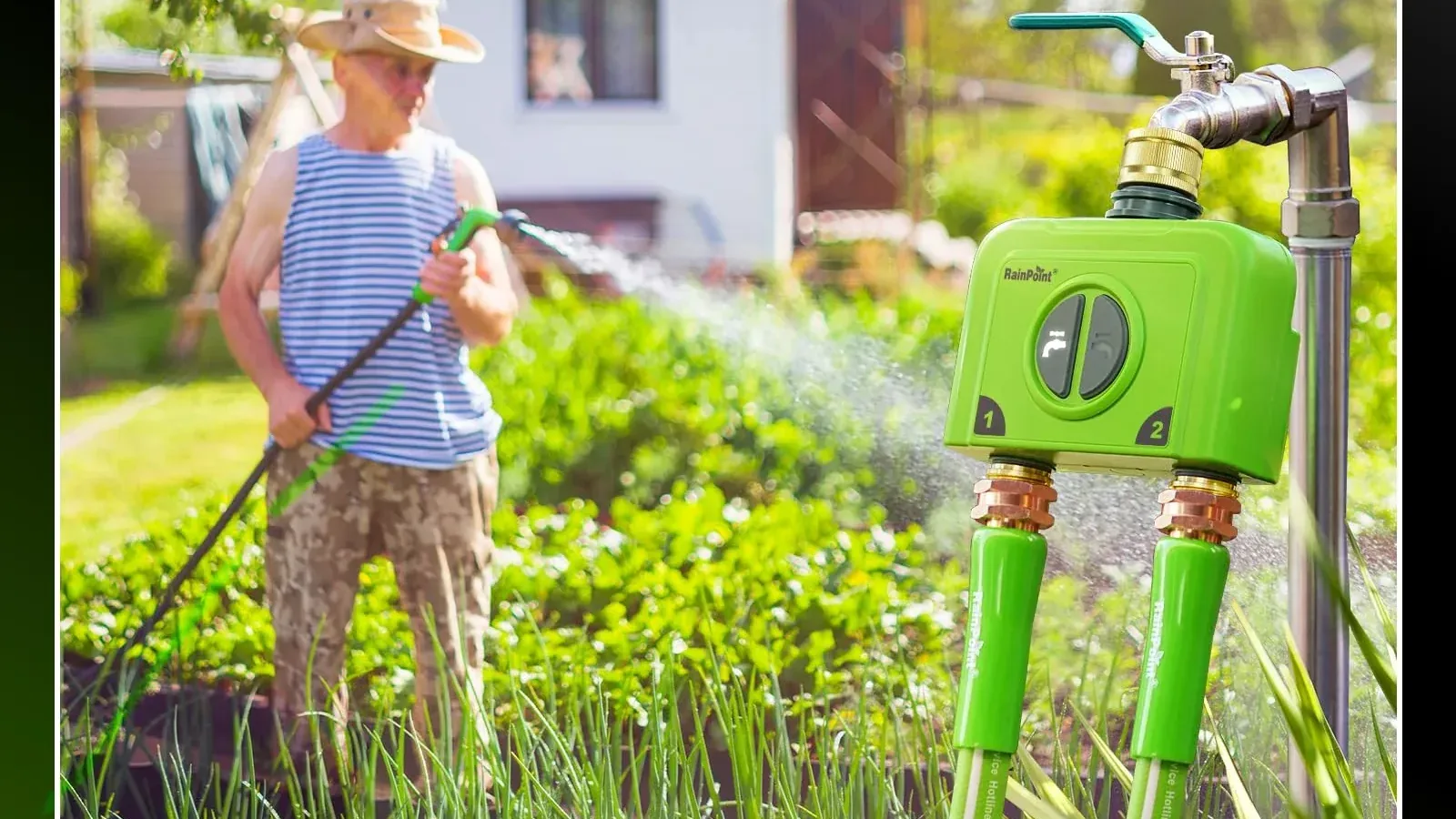
WaterSafe says outside taps should have a working double-check valve and notes that the protection may not always be obvious. In some homes it may be incorporated into the tap; in others it may be installed in the supply pipe. Age alone is not proof of either arrangement, and a familiar-looking tap is not evidence that the valve is present or still serviceable. That is why visual observation is a screening step, not a compliance certificate.
Know what each part of the watering connection does
Several components can sit close together at a garden tap, but they solve different problems. Treating one as a substitute for another is the main mistake to avoid.
| Component | Main job | What it does not prove |
|---|---|---|
| Outside tap | Provides an isolatable outlet from the property's water system | That backflow protection is present and working |
| Double-check valve | Helps prevent reverse flow towards the drinking-water supply | That a timer, hose or irrigation layout is compatible |
| Water timer or controller | Opens and closes watering at planned times | Backflow protection, pressure regulation or legal permission to use a hose |
| Pressure regulator | Limits or regulates downstream pressure when correctly selected and installed | Backflow protection or flow capacity |
| Filter | Captures certain debris before it reaches downstream equipment | Safe drinking-water separation or correct pressure |
A screw-on accessory may contain a non-return feature, but its appearance or product name is not enough to establish that it provides the protection required for a particular property. Follow the component documentation and obtain plumbing advice where the arrangement is unclear.
A safe pre-connection check
- Turn the outside tap fully off. Start with no water flowing. Wipe the tap and the visible pipe area so that cracks, corrosion and fresh leakage are easier to see.
- Look for visible valve features and markings. Note any separate valve body, identifying mark or model reference. Do not loosen pipe fittings or remove a built-in part to investigate.
- Check the tap's operation. A handle that will not close, a leak from the body, movement at the wall, or damaged pipework is a reason to stop. A timer should not be used to compensate for a faulty isolating tap.
- Review what can happen downstream. Make sure the hose cannot fall into a pond, bucket, paddling pool, drain or container. Keep an air gap between the hose end and any stored water.
- Ask for evidence when the valve cannot be identified. A WaterSafe-approved plumber can assess the actual pipework and advise on suitable protection without relying on guesses about the tap's age.
Do not use a water timer as a test device while the plumbing question is unresolved. Repeatedly opening and closing a questionable connection can create leaks or expose a fault that should have been isolated first.
Fit the timer without blurring the safety boundary
Once the outside tap has been assessed as suitable, follow the timer manufacturer's instructions and keep every connection accessible for inspection. Do not force a thread, improvise an adaptor or assume that a connector described for another market fits a UK installation. The product page on this site does not establish a UK thread, plug, adaptor or pressure range, so those details must be verified separately before purchase or installation.
- Support the connected equipment so its weight does not pull on the tap or wall fitting.
- Use only documented washers and connectors rather than stacking improvised seals.
- Turn the water on gradually and observe every joint during a supervised test.
- Confirm that the tap itself can still isolate the supply quickly.
- Turn off and disconnect the hose when the system is out of use, in line with WaterSafe advice.
For the wider layout, the live home irrigation system guide explains the main garden-watering routes, while the irrigation troubleshooting guide helps separate tap leaks, weak flow and downstream faults. Those articles are useful after the drinking-water protection question has been settled.
When to stop and call a plumber
| What you observe | Safe next step |
|---|---|
| No identifiable backflow protection | Leave the timer disconnected and ask a WaterSafe-approved plumber to assess the tap |
| Tap body, wall fitting or supply pipe leaks | Isolate the supply where safe and arrange a plumbing repair |
| Tap will not shut off reliably | Do not rely on the timer as the only shut-off point |
| Persistent banging or pipe movement | Stop repeated tests and have the pressure-change symptom investigated |
| Unknown adaptor or forced connection | Remove it with the water isolated and verify the correct documented fit |
A plumber's role here is to inspect the actual property, not to endorse a particular timer. Likewise, a timer retailer cannot certify unseen household pipework. Keeping those responsibilities separate leads to a safer and more useful answer.
FAQ
Does a water timer count as a double-check valve?
Do not assume so. A water timer's primary function is to control watering. Unless its documentation provides clear, applicable evidence for a separate backflow-protection function, treat that protection as an independent plumbing requirement.
Can I tell whether my outside tap is protected just by looking?
You may be able to spot a valve or identifying mark, but some protection is installed in the pipework and some visible components may be old or unsuitable. If the arrangement is uncertain, a WaterSafe-approved plumber should verify it.
Is a pressure regulator the same as a double-check valve?
No. A pressure regulator addresses downstream pressure; a double-check valve addresses reverse flow. An irrigation layout may need separate components for separate jobs, each selected from the relevant instructions and measured conditions.
Can a hose stay connected when the timer is not watering?
WaterSafe advises turning the outside tap off and ideally disconnecting the hose when it is not in use. This also gives you a chance to spot damage, stagnant water and a hose end that could become submerged.
Does a double-check valve make hose use permitted during restrictions?
No. Backflow protection and temporary water-use restrictions are different matters. Check the current notice from your own water supplier before using a hose, timer or automatic irrigation attachment.
Conclusion: make the tap safe before making watering automatic
The sensible order is simple: verify the outside tap and backflow protection, keep the hose out of contaminated water, test visible connections under supervision, and use a qualified plumber when the plumbing cannot be confirmed. Only then should timer features and garden zones enter the buying decision. If a two-outlet controller is relevant to a safely assessed layout, you can view the dual-valve smart irrigation controller as a category-level next step. Check all connection, pressure and installation requirements independently before ordering.
Sources and further reading
- watersafe.org.uk: Outside-tap double-check-valve and approved-plumber guidance
- watersafe.org.uk: Backflow risk, submerged-hose precautions and disconnection advice